Services
Centralized sound reinforcement systems
Centralized sound reinforcement systems. Sound reinforcement equipment for concert halls, assembly halls, presentation rooms, meeting rooms, etc.
There are two types of sound reinforcement systems — centralized and distributed. This section discusses centralized sound reinforcement systems. You can learn about distributed sound reinforcement systems here.
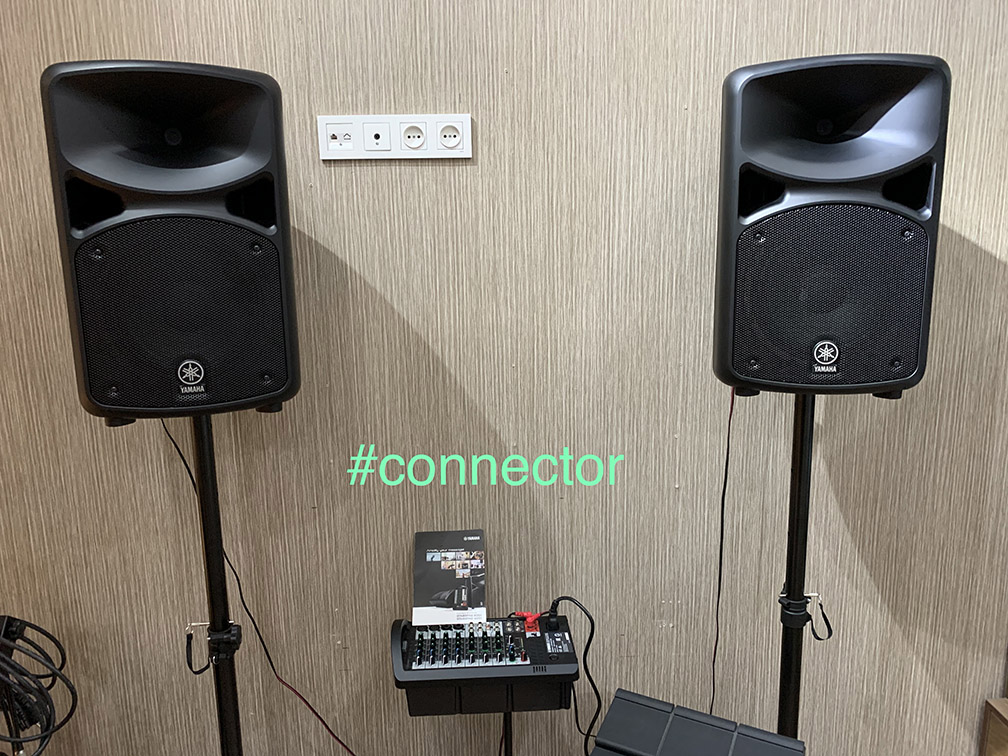
In a centralized system, a group of loudspeakers is located in one part of the hall, near the sound source. The loudspeakers are positioned in such a way that the sound energy they emit creates approximately the same volume across the entire area occupied by the audience. This is achieved, firstly, by selecting loudspeaker systems with specific sound emission properties and, secondly, by the appropriate placement of the loudspeakers, taking into account their directivity and the shape of the room. The power of the loudspeakers is selected in accordance with the volume of the room so that the sound volume in the most remote areas is sufficient.
Description of the system
Whether your organization needs to equip an assembly hall for events, set up a stage for speakers or performers, provide sound for a conference room in a bank or other institution, or create a training hall for audio-visual programs. Equipping a restaurant, canteen, tea house, oshkhona, or tuykhona. Preparing an outdoor summer area in a recreation zone for events. All of this is addressed by creating a centralized sound reinforcement system.
Key components of a centralized sound reinforcement system: sound sources (microphones, players, computers, etc.), mixing consoles (for source switching), sound processors for processing and adding effects (DSP processors), audio power amplifiers, crossovers and filters for frequency band separation, and acoustic systems (loudspeakers).
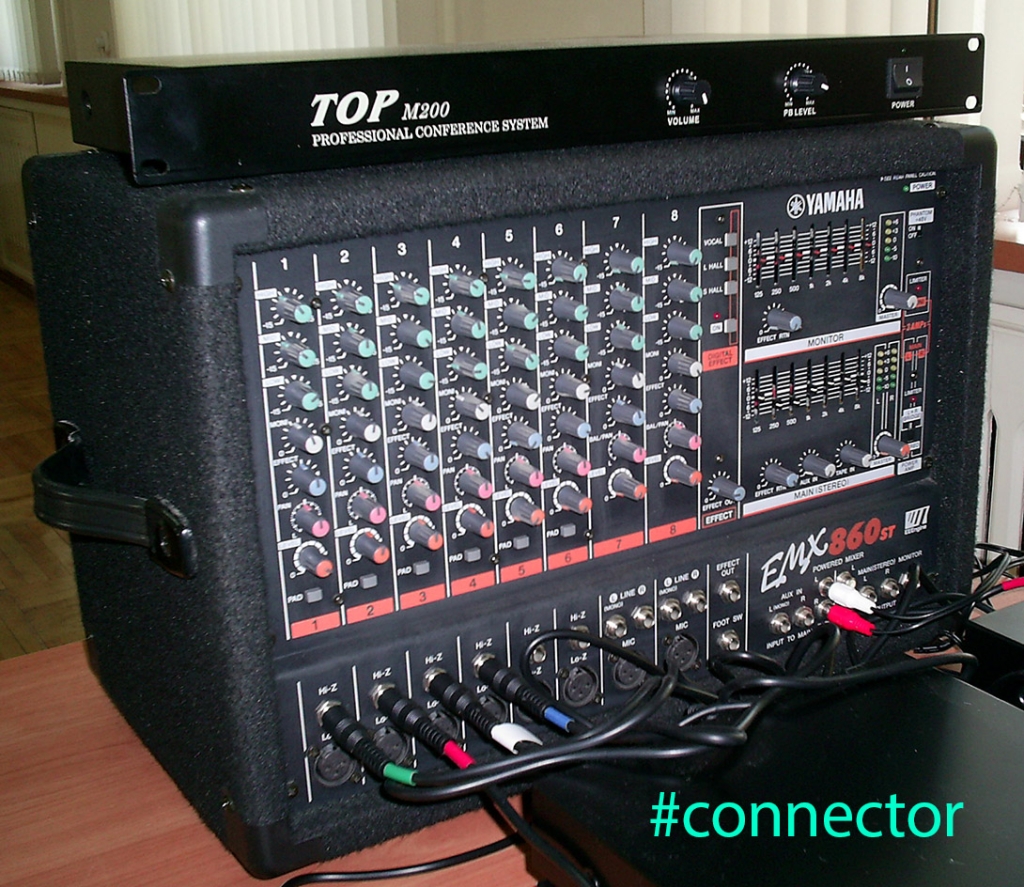
It often happens that audio equipment manufacturers combine several components into a single device. For example, there are active acoustic systems where the power amplifier is built into the speaker cabinet. There are also mixing consoles with built-in power amplifiers and even DSP processors.
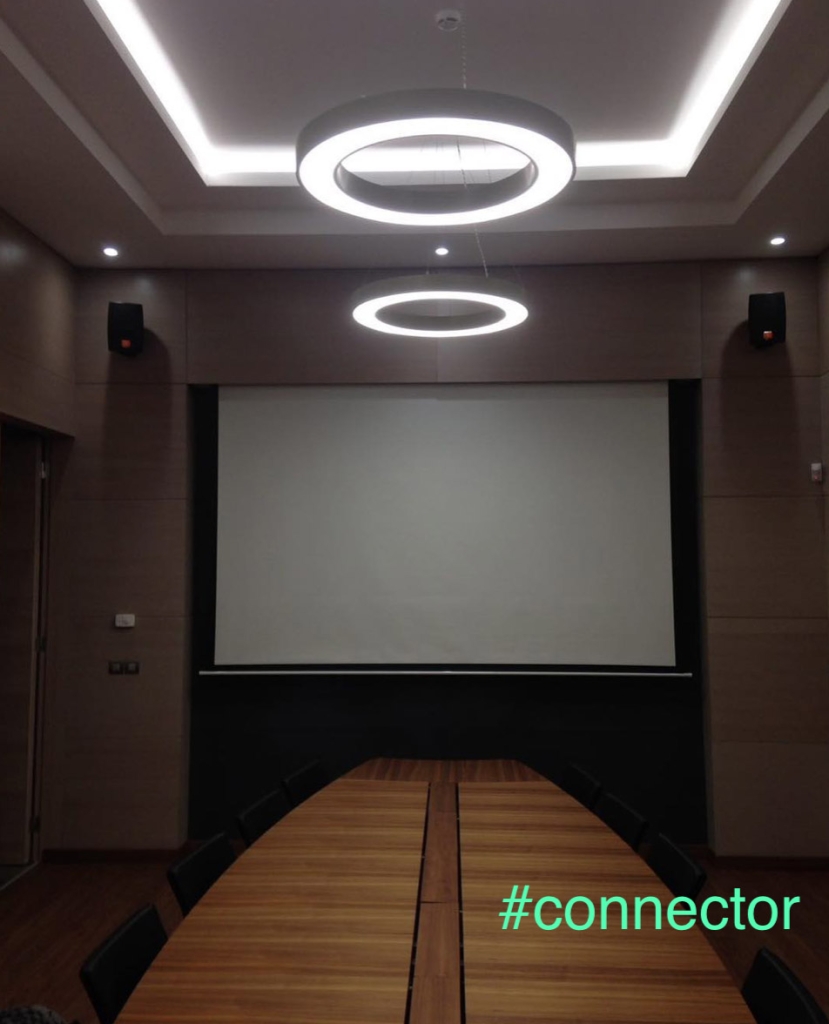
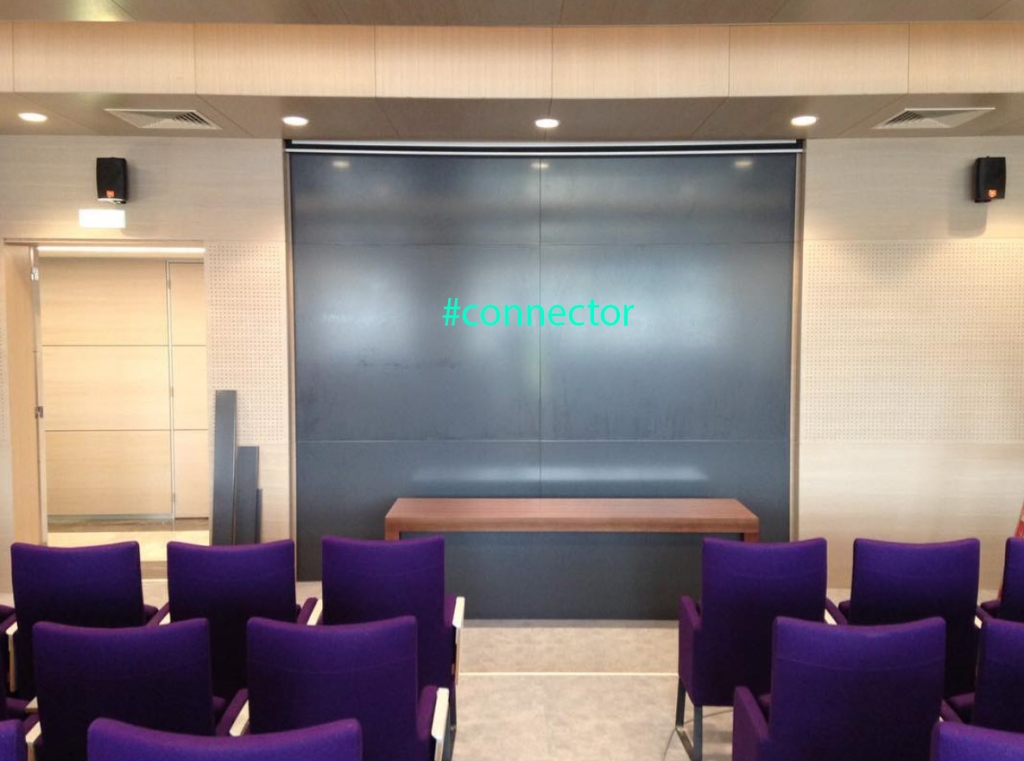
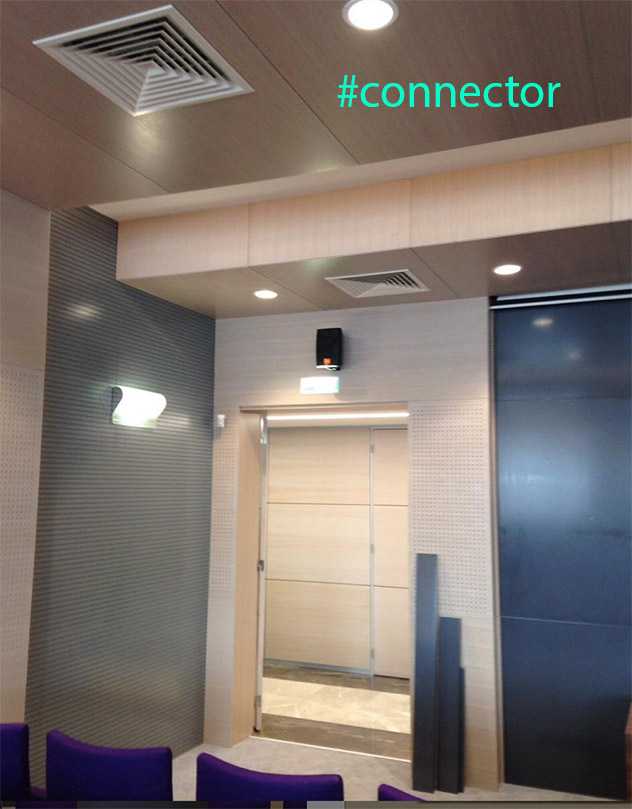
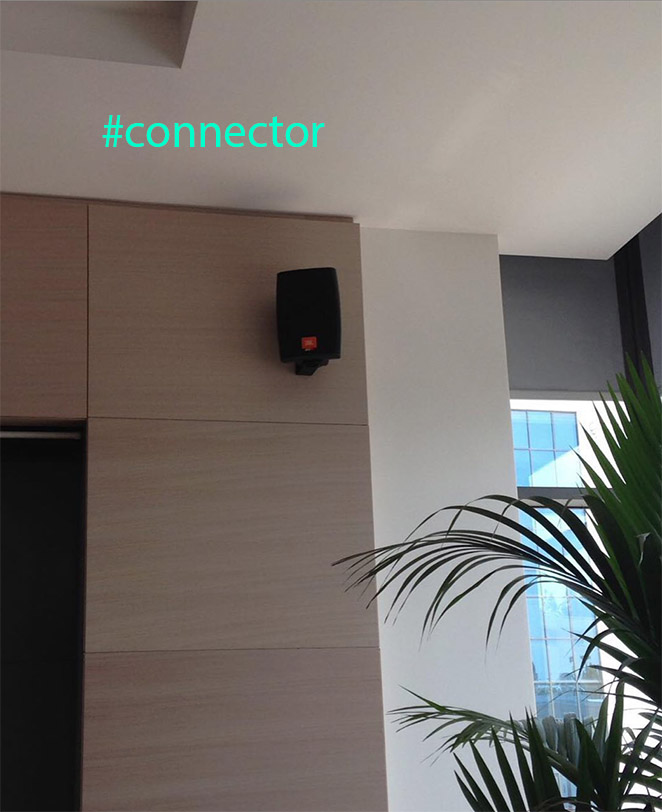
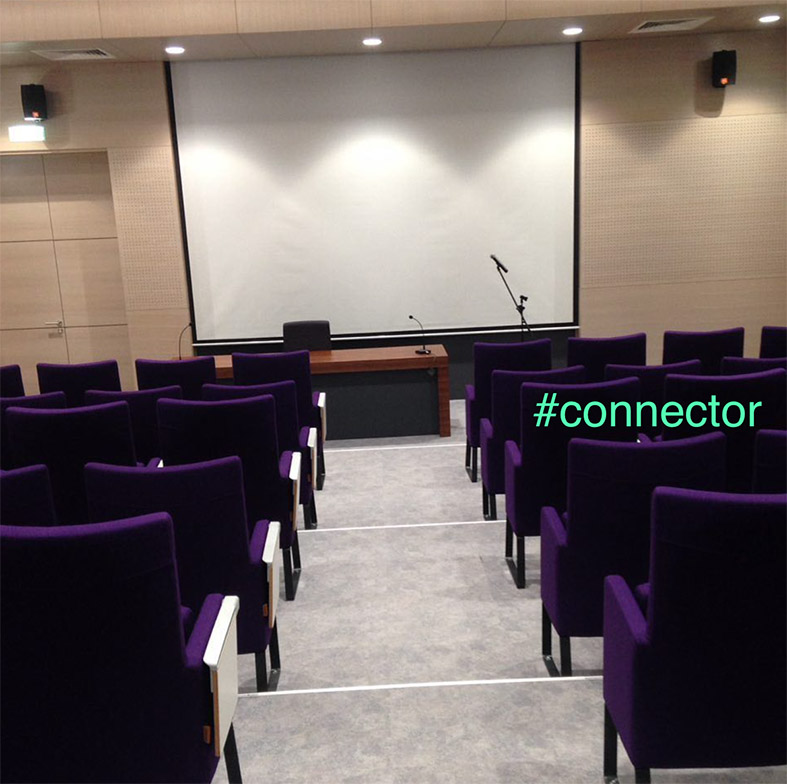
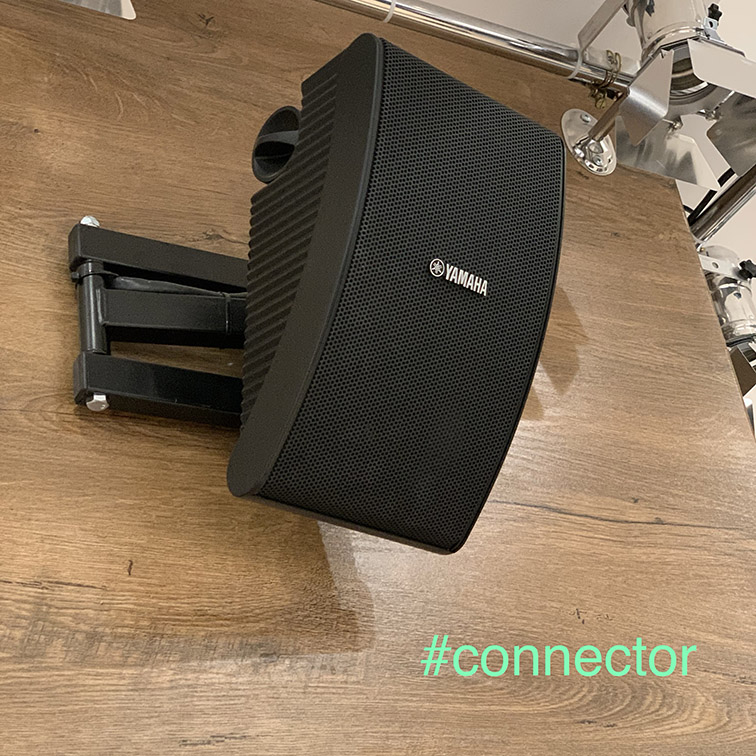
Everything should be for its intended purpose.
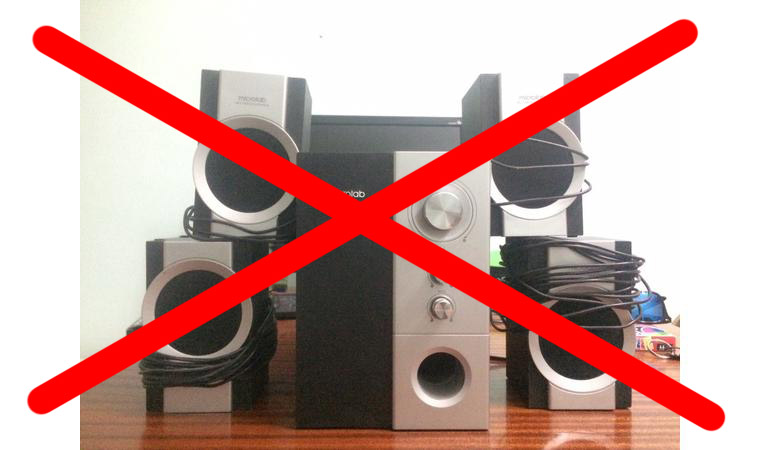
Technology, equipment, and any hardware are designed to solve specific tasks. For each task, the appropriate equipment should be selected. A passenger car is good for the daily transport of 1–3 people, a bus is good for transporting a large number of people, and a truck is good for transporting cargo—even though they are all automobiles. Similarly, in audio equipment, you should not install consumer computer speakers in a conference hall. There are several reasons for this:
-
The material and manufacturing technology of consumer electronics are designed for 2–3 years of moderate use. After that, the “time bomb” planted by the manufacturer begins to go off, and the equipment simply starts to break. This is done so that you will replace it with a new model.
-
Frequency characteristics, power levels, speaker sensitivity, sound pressure, and other parameters are optimally selected for specific tasks. For example, if a speaker system performs excellently at a disco, it doesn’t mean it will provide high-quality sound at home. You might get overwhelming sound pressure in an apartment, but if you turn the volume down, you won’t hear the low frequencies (bass), and the high frequencies will sound “muddy.”
-
Conversely, if you install excellent consumer equipment in a conference hall or an assembly hall, you will be forced to increase the volume and turn the bass knobs to the maximum. Even if there is enough power, the speakers will operate at a level above their nominal value (nominal is roughly 1/3 of the maximum). This leads to non-linear distortion and accelerated wear and tear on the hardware.
-
Incompatibility between different types of equipment. As a rule, home electronics are built to one set of standards, while professional equipment follows another. This applies to voltage levels, impedance, and other parameters of the audio inputs/outputs. Equipment picked “at random” by a non-specialist will produce unpredictable sound quality—usually poor.
Acoustic Systems (AS)
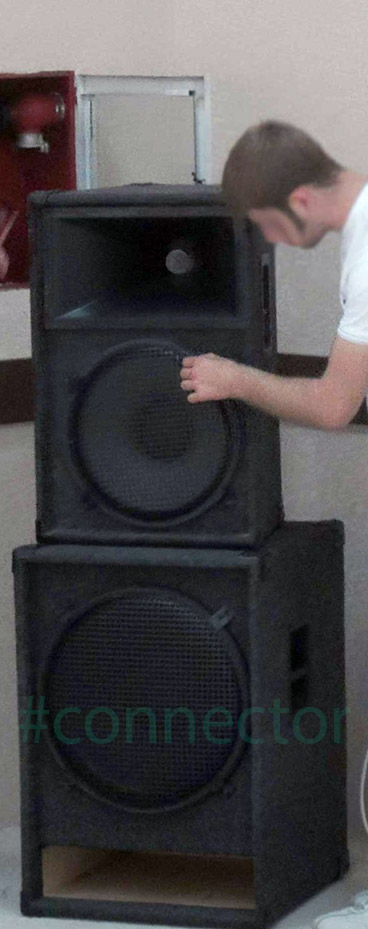
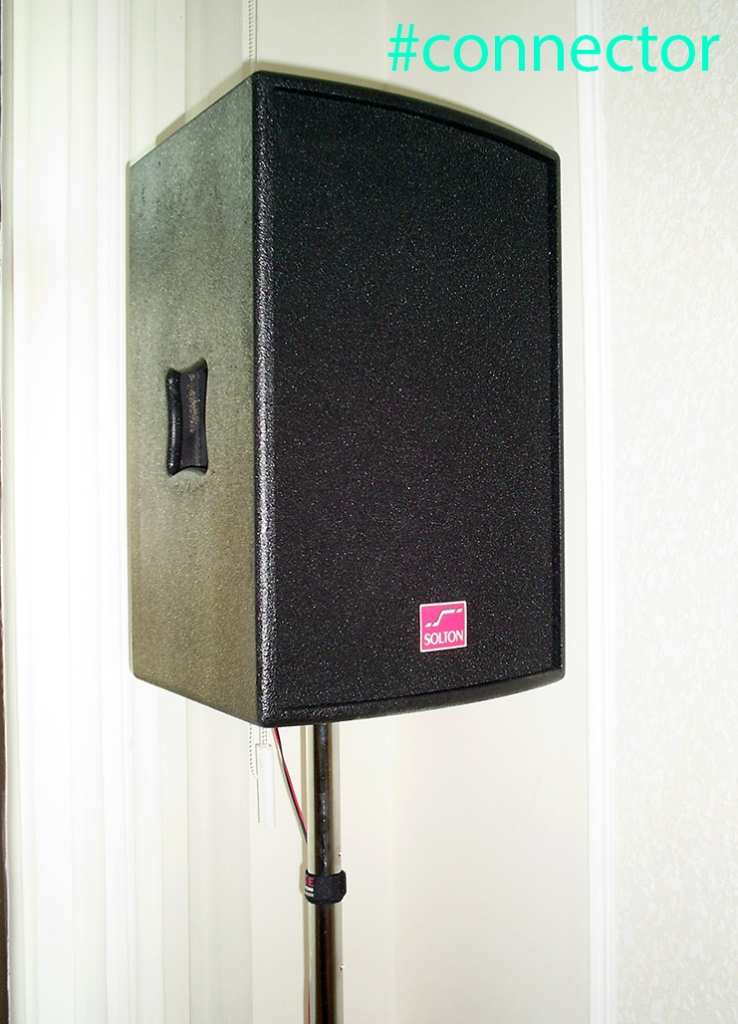
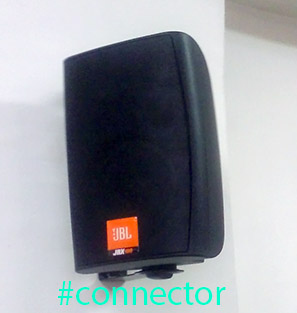
Acoustic systems (AS) are the most critical component in any sound reinforcement setup. While hardware and electronics evolve and update at a staggering speed, the development of acoustic systems remains quite conservative. For several decades, only the quality of materials and finishes has changed, while the core physical principle remains the same. At the heart of an AS are dynamic heads or loudspeakers (Drivers, Speakers), often simply called “drivers” or “speakers.” Loudspeakers convert electrical energy into sound waves audible to our ears. Drivers vary in their characteristics, and each is designed for a specific function.
Main characteristics:
-
Frequency Range. There are low-frequency (LF), mid-frequency (MF), high-frequency (HF), and full-range drivers. A single driver cannot reproduce the entire range of frequencies audible to the human ear with equal quality. Therefore, multiple loudspeakers are often installed in a single acoustic enclosure (cabinet). Frequencies are separated inside the system by a special electrical signal filter. If a system uses HF and LF drivers, it is called a two-way system. If it includes HF, MF, and LF drivers, it is a three-way system. Some systems use only one driver, which is typically a full-range loudspeaker. While full-range drivers struggle to reproduce very low and very high frequencies, this quality is sometimes sufficient. High fidelity is generally achieved in three-way or even four-way systems.
-
Sound Pressure Level (SPL) or Loudness. The higher the sound pressure generated by a dynamic driver, the louder the sound is to the human ear. You can find good examples for comparing sound pressure levels here.
-
Loudspeaker Power and Sensitivity. These two parameters affect playback volume. The higher the sensitivity, the louder the driver performs at the same power level. Consequently, a 30W driver can sometimes play louder than a 100W driver. This is precisely why low-sensitivity car audio systems use thousands of watts without deafening the listener. Comparable power used in more sensitive concert systems provides sufficiently loud sound at all points in a hall. Home equipment has average sensitivity to strike a balance between power consumption, volume, and size.
-
Q Factor (Quality Factor). Put simply, this is the ability of the speaker cone to vibrate. A soft rubber surround and a heavy cone result in a low Q factor, requiring a relatively small cabinet volume to provide air elasticity. The sensitivity of such drivers is usually low. Conversely, a stiff surround and a light cone result in a high Q factor, requiring a large cabinet, but offering high sensitivity.
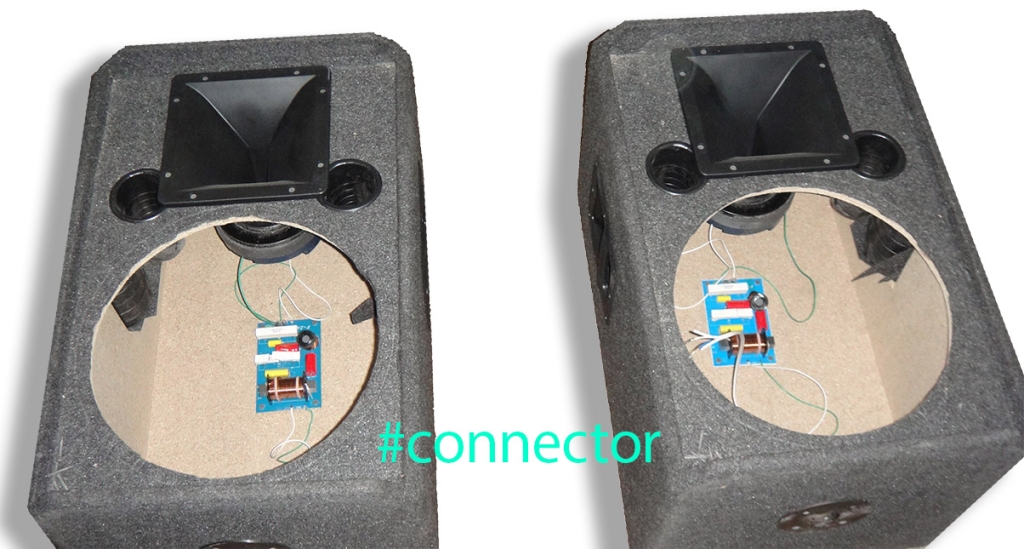
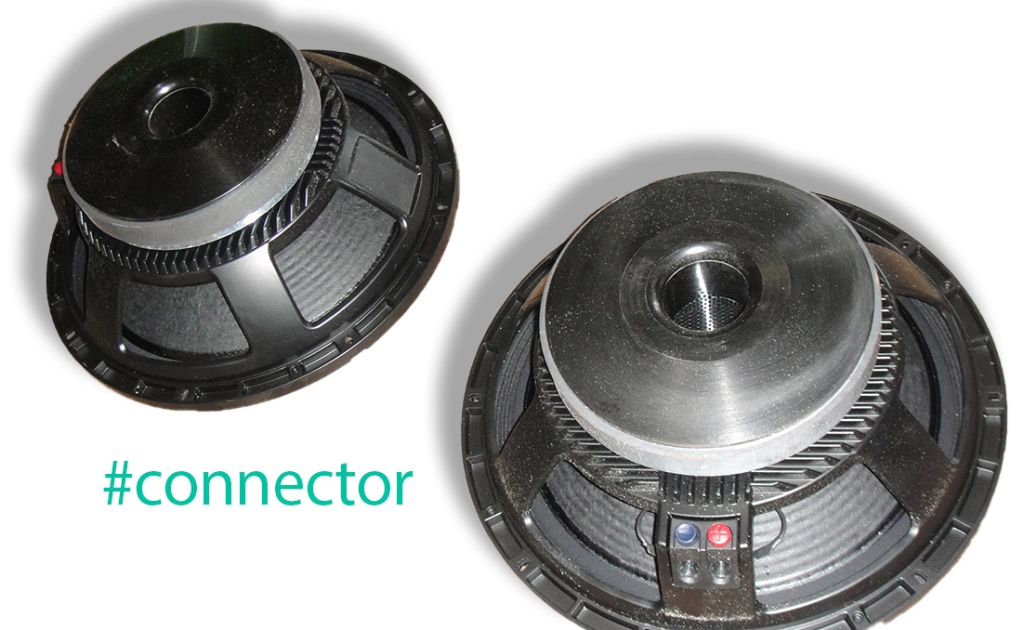
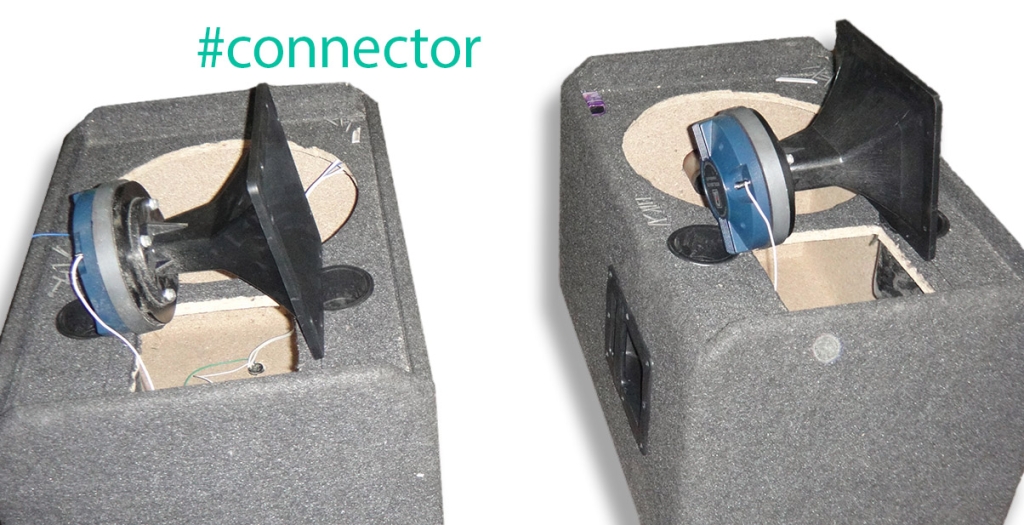
Based on the characteristics of the loudspeakers, acoustic systems are built for specific tasks. The size and shape of the enclosure also depend on which drivers and filters will be used. For example, the photo shows a two-way acoustic system designed for sound reproduction in concert halls. A horn-loaded loudspeaker with very high sensitivity is used as the HF (high-frequency) driver, while a powerful driver with a high Q factor is used for LF/MF (low/mid-frequency) reproduction. Inside the enclosure, you can see the electrical filter circuit boards. To maintain the physical integrity of the LF/MF driver, a closed-type enclosure is used (you can find more details about types of speaker enclosures here).
Mixing consoles
Mixing consoles are essentially audio source switchers. All sound sources (microphones, players, computers, etc.) are connected to the mixing console. Within it, the audio is mixed with other channels, subjected to tone control, filtered, and pre-amplified for subsequent transmission to the power amplifier.
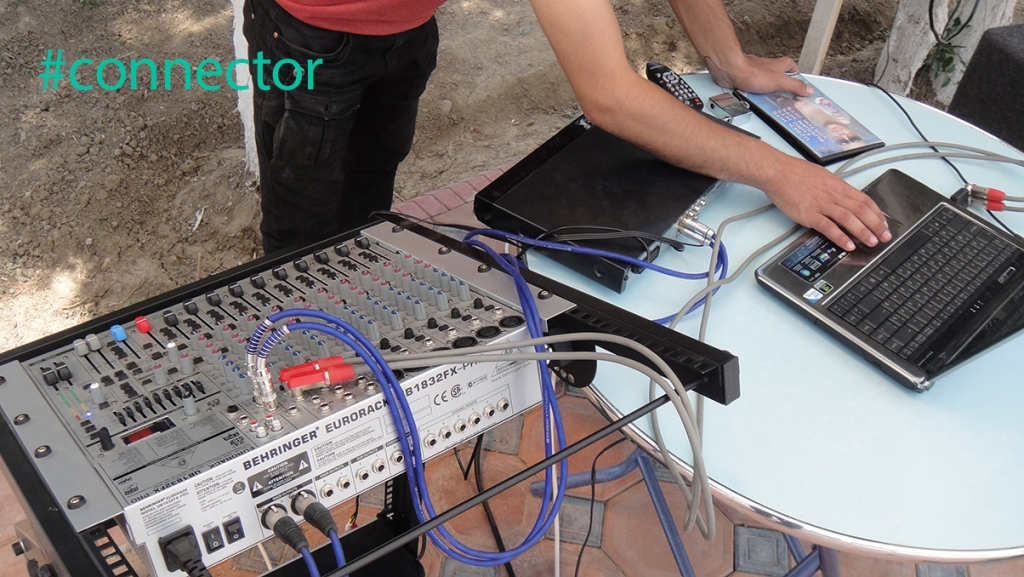
The connectivity of mixing consoles is a science in itself, utilizing a wide variety of ports of different types. Proper connection and configuration of a console should always be entrusted to a professional.
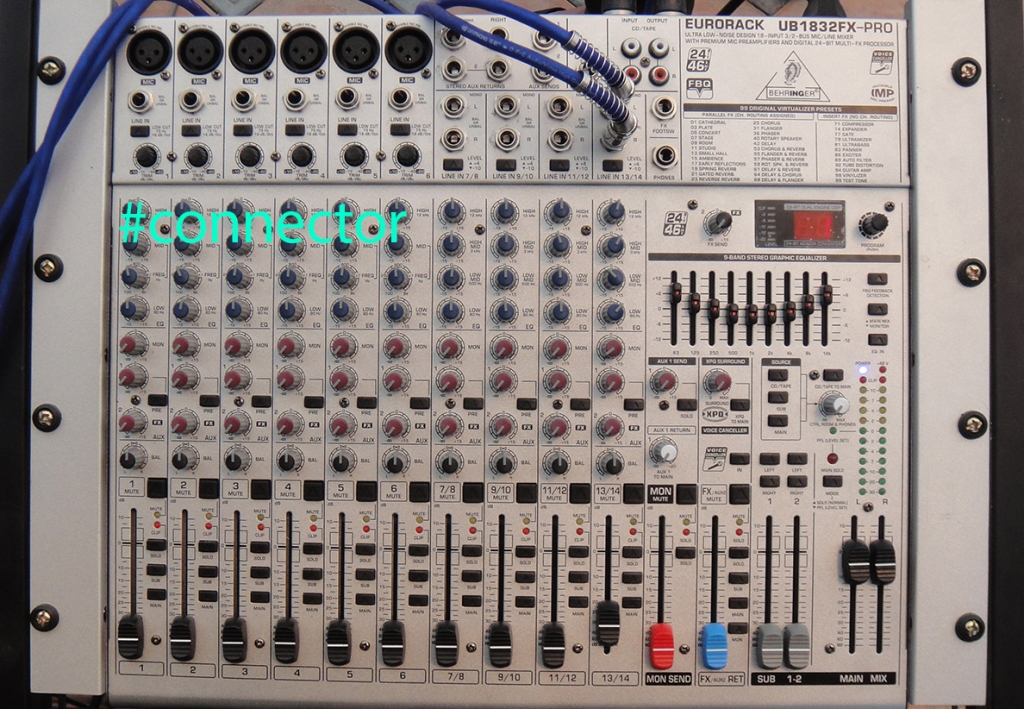
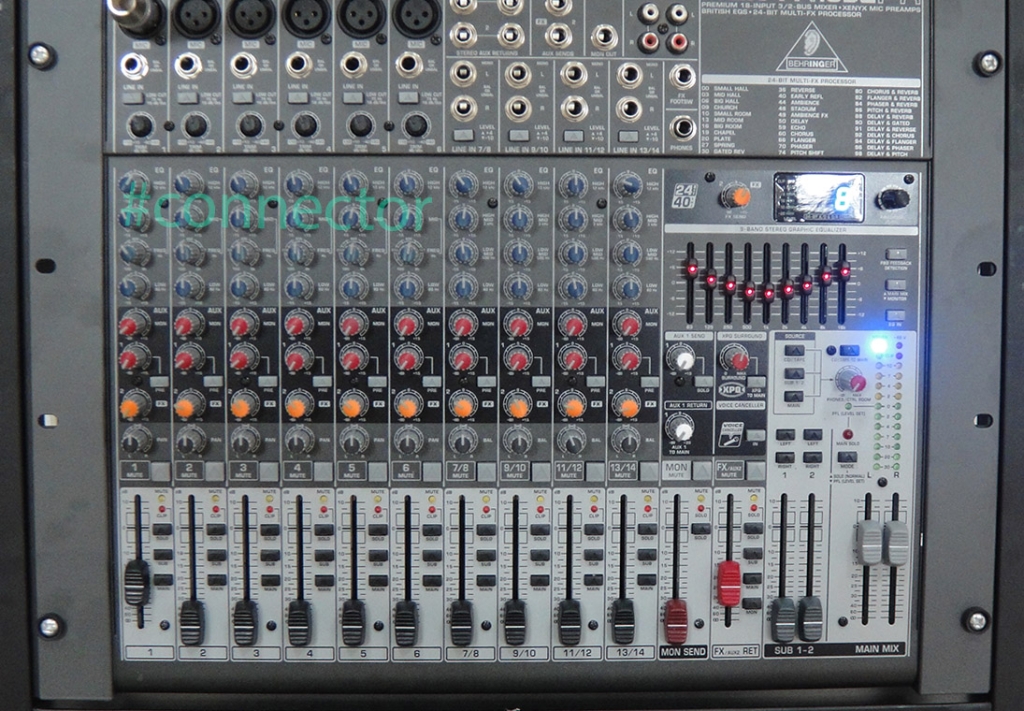
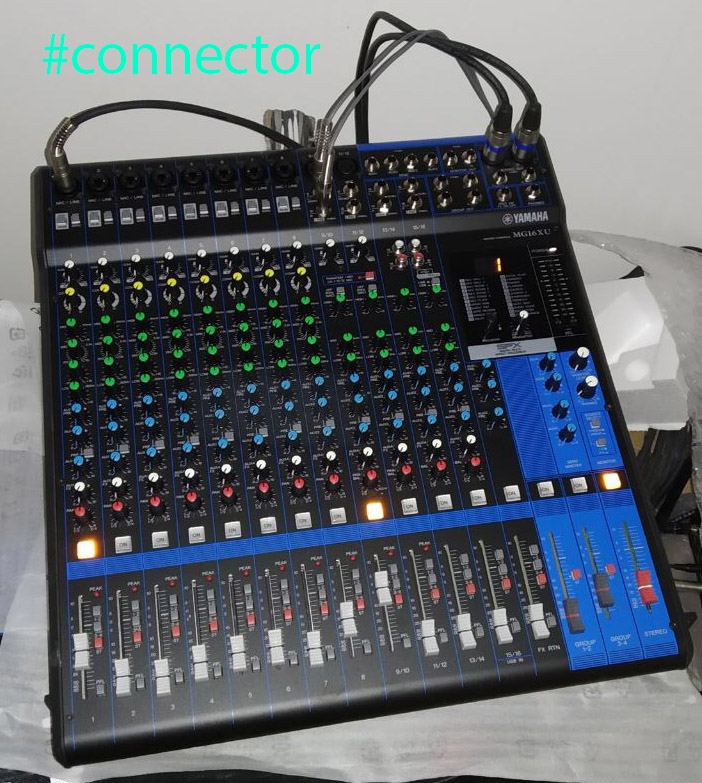
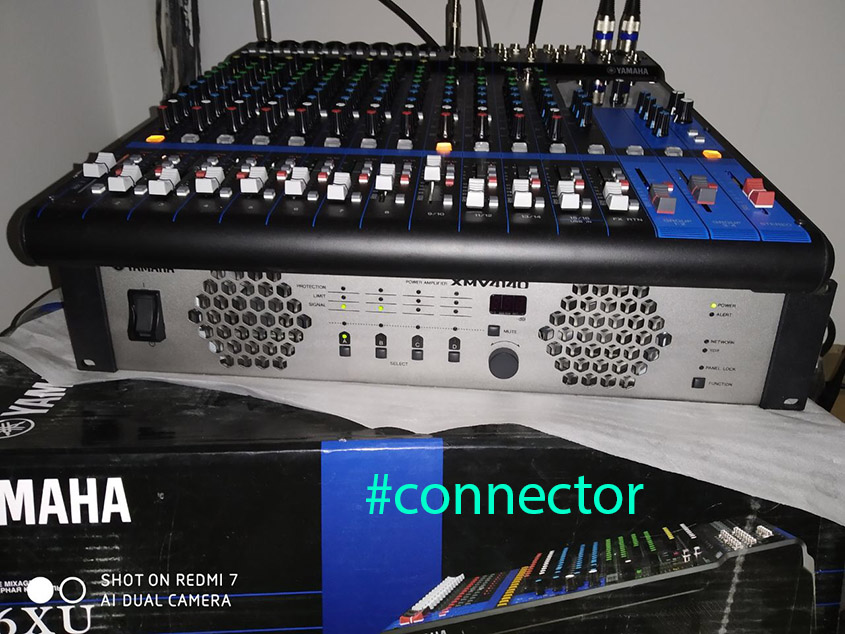
The primary characteristic of a mixing console is the number of channels. Additionally, mixing consoles often feature built-in sound compressors, suppressors, DSP processors, filters, equalizers, and other audio processing systems.
The build quality also plays a crucial role. The reputation of well-known brands has been earned over decades of manufacturing this type of equipment. You can be confident that in “name-brand” consoles, all stated functions and characteristics are genuine and operate according to the specifications. Lesser-known manufacturers often attempt to offer similar functionality at a lower price. However, not all functions in such devices may perform at a high quality, which in some cases can lead to a degradation in sound. The same applies to durability.
Audio Power Amplifiers (UMZCH)
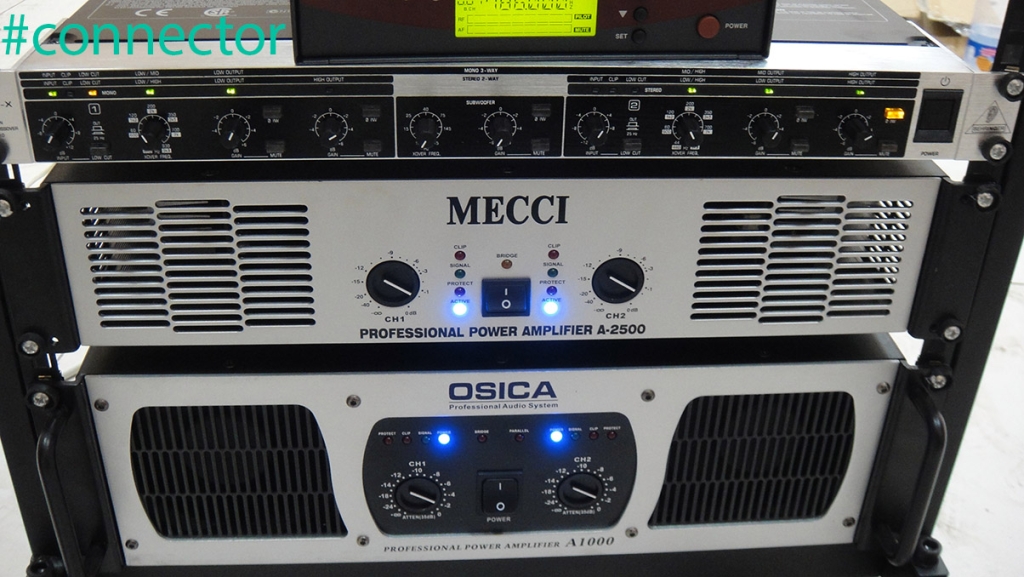
Amplifiers are necessary to increase the power of the audio signal to the level required by the acoustic systems. The more powerful the speakers, the more powerful the amplifier needed. Amplifiers receive the signal from the mixing console, where the sound has already been processed and prepared for amplification. In some cases, power amplifiers are equipped with a pre-amplifier and an input selector, allowing a source to be connected directly to them. There are also amplifiers built into the chassis of mixing consoles. Additionally, amplifiers can be found built directly into the speaker cabinets; in this case, the acoustic systems are referred to as “active.”
Crossovers and filters
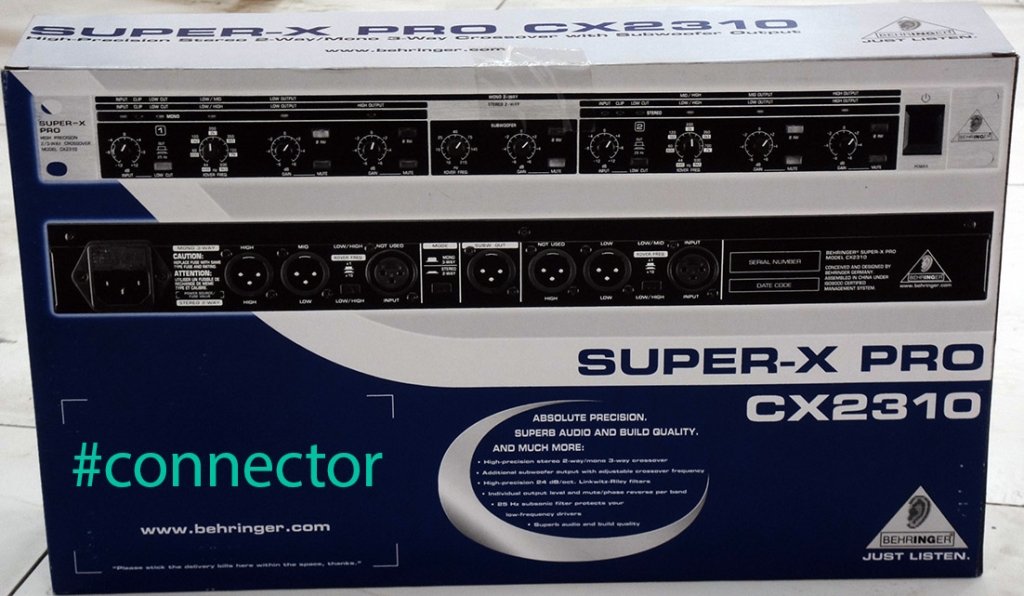
Each driver in an AS plays within a specific frequency range. There is no reason to expect high frequencies from a “woofer” or low frequencies from a “tweeter.” Each must work within its own range. Filters and crossovers were invented specifically for frequency separation. They are usually installed inside the AS. Filter characteristics are calculated at the factory, and the filter is produced with strictly defined parameters. The signal amplified by the power amplifier enters the circuit of such a filter, is split into HF, MF, and LF signals, and only then do the signals reach the dynamic drivers. In centralized systems, crossovers can be found in an external design as standalone devices. They usually have a function for manual adjustment of crossover frequencies and volume. Such devices are convenient for sound reinforcement with a large number of AS in each stereo channel. For example, one AS handles the LF, while another handles the HF/MF. Additionally, you can set the signal level on such a crossover to achieve a balanced sound across the entire spectrum.
Cabling and Switching
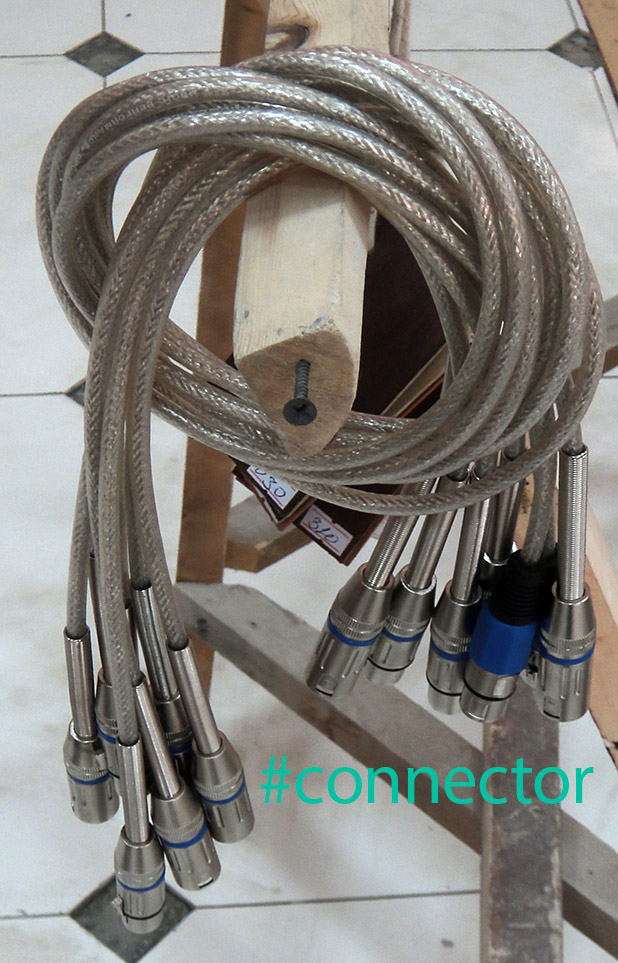
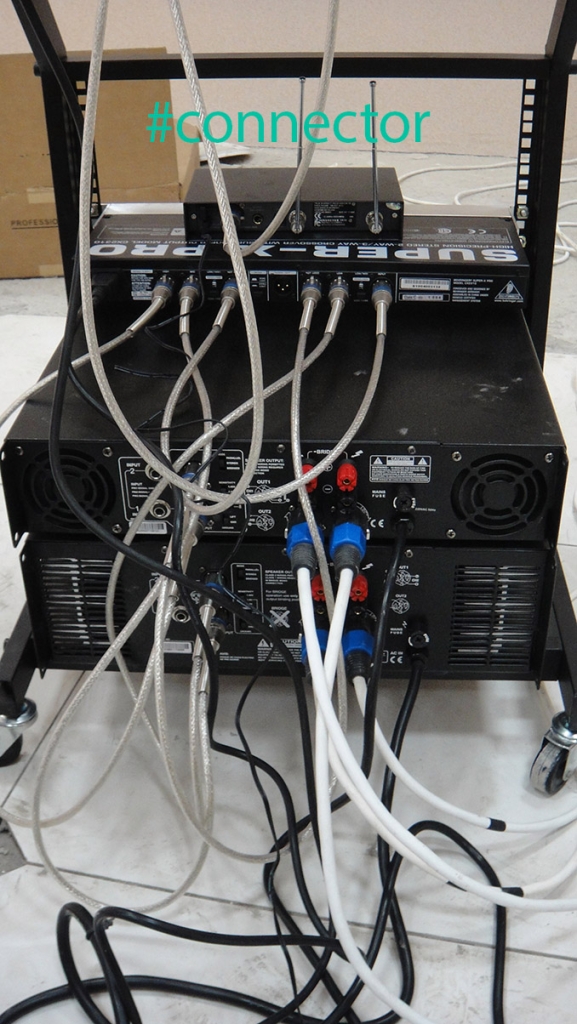
All audio system components are interconnected with specialized cables using specific connectors. Professional equipment utilizes connectors such as XLR, Canon, Jack, and others. It is often necessary to combine these types of connectors with one another. Our specialists have the necessary equipment to solder such cables for a specific project.
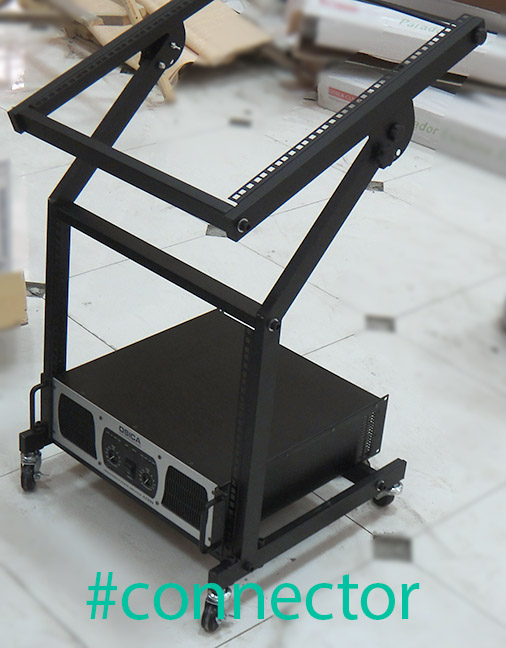
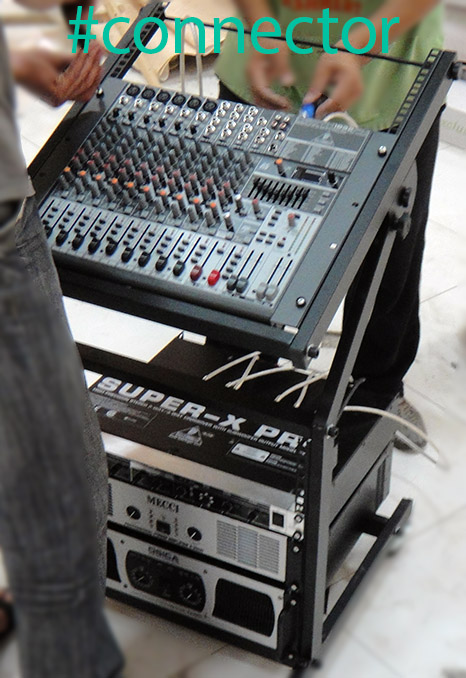
A set of equipment for centralized sound reinforcement systems is usually placed in special 19-inch racks. And these are not always telecommunication cabinets of a similar width. The rack must be mobile, have space for a mixer, provide space for convenient cabling, and allow for the cooling of amplifiers
Microphones
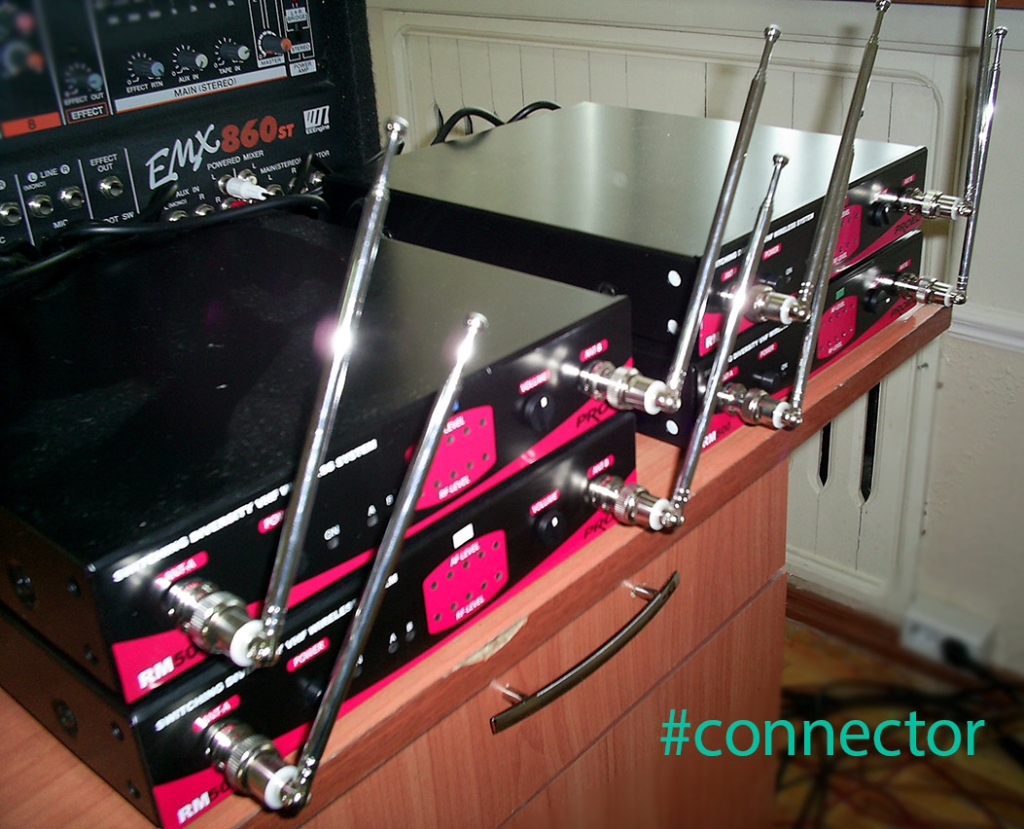
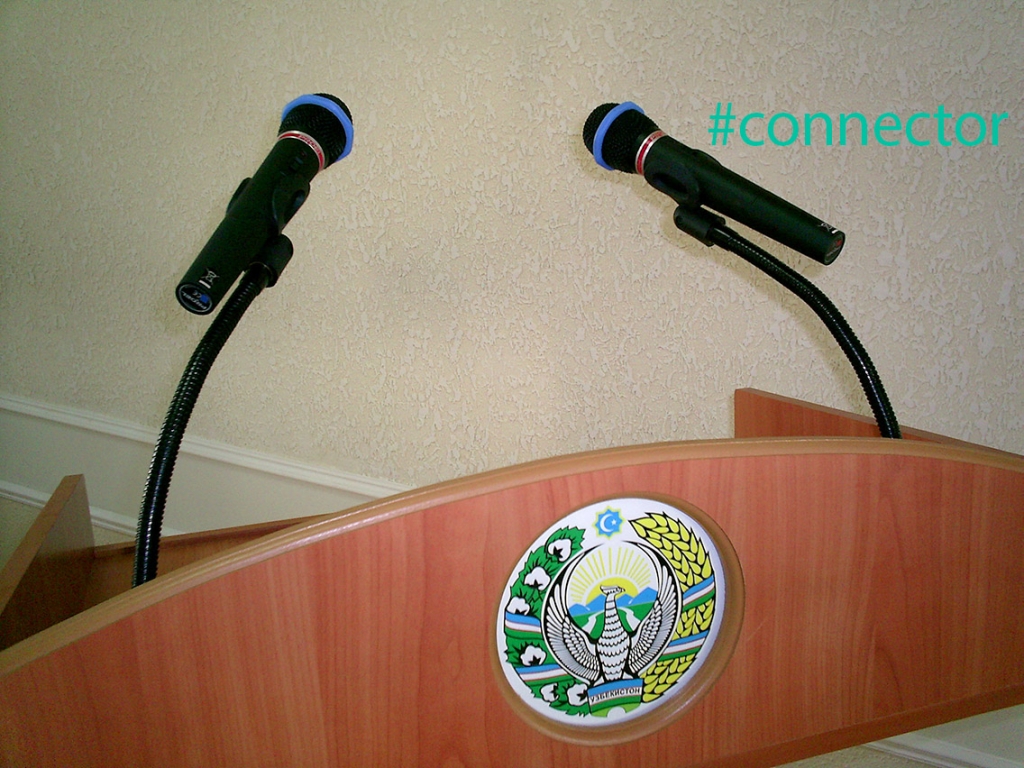
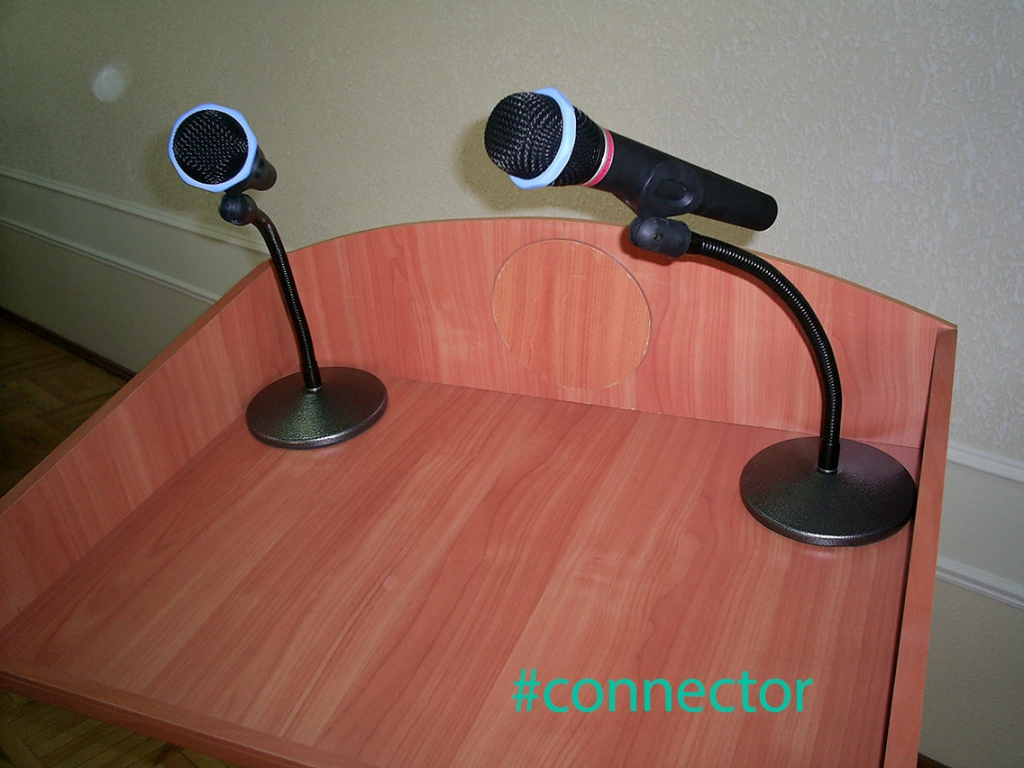
Microphones are one of the most important sound signal sources in sound reinforcement systems. Here, you must choose the correct type of microphone. If a microphone is needed for a singer or a speaker performing on stage, a dynamic microphone is required, which amplifies the voice during close-up use. These come in wired and wireless versions. Generally, the base station for wireless microphones is located near the mixing console. Wired microphones are better used when mobility is limited; they do not require charging or battery replacement. If it is necessary to provide sound for a conference, it is better to use a condenser microphone; the speaker does not need to lean in closely to such a microphone, as its sensitivity will be sufficient. Furthermore, conference microphones are already equipped with a “gooseneck” type stand. There are also portable lavalier microphones, studio microphones, and many other various types, the descriptions of which fall outside the scope of this publication. Our team is always ready to help select the correct microphones for any given sound reinforcement system.
For those who want to “dig deeper” into concert equipment and its main components: https://en.wikipedia.org/wiki/Sound_reinforcement_system
